Why Switching to Refills is the Best Decision of 2026
As we navigate through 2026, the importance of sustainability has never been more pronounced. More individuals and businesses are recognizing the substantial benefits of switching to refillable products. This shift is not merely a trend but a necessary evolution in our consumption habits. By embracing refill solutions, consumers can significantly reduce waste, save money, and promote a healthier planet. In this article, we will explore why choosing refills is the best decision for 2026 and how it impacts both individuals and the environment.
The Environmental Impact of Refills
In 2026, environmental consciousness is at an all-time high. The overwhelming evidence of plastic pollution and waste accumulation has prompted many to rethink their purchasing choices. Refills offer a sustainable alternative that minimizes the use of single-use plastics. For instance, switching to refillable containers for household products like cleaning supplies and personal care items can drastically reduce the amount of plastic waste generated.
Consider a scenario where a family of four decides to use refillable products instead of single-use items. In just a year, they could prevent hundreds of plastic bottles from entering landfills. This behavioral change contributes significantly to reducing overall plastic production and lowers the carbon footprint associated with manufacturing new containers.
Supporting Circular Economy
The refill model aligns perfectly with the principles of a circular economy. In 2026, businesses that adopt this model are not just enhancing their brand image but also contributing to a more sustainable future. By offering refill stations or programs, companies can encourage customers to return used containers, thus closing the loop on product life cycles.
Major brands are already implementing refill initiatives, showcasing their commitment to sustainability. For example, a popular beverage company in 2026 has introduced a refillable bottle program that allows customers to refill at designated locations. This not only reduces waste but also fosters a community of environmentally conscious consumers.
People Also Look For:
- SENBSLAN Kids Water Bottles With Straw,600ml Drinks Bottle for School,Leakproof Children\'s Bottle BPA free Tritan Sport Bottle fo...
- 1 Litre Motivational Fitness Sport Water Bottles with Straw & Time Maker, Leak-proof, BPA-free Plastic Drink Bottle 1l Design for ...
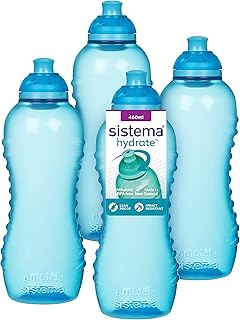
- Sistema Squeeze Twist \'n\' Sip Sports Water Bottles | 460 ml | Leakproof Kids Water Bottles | BPA-Free | Blue | 4 Count
- Gabby\'s Dollhouse KIds Water Bottles With Flip Up Straw 600ml – Official Gabbys Dollhouse Toys UK Merchandise by Polar Gea...
- GOPPUS 500ml/17oz Kids Water Bottles with Straw BPA Free Childrens Water Bottle Leakproof Drinks Bottle for School Tritan Girl Boy...
Cost-Effectiveness of Refills
Switching to refills in 2026 also makes financial sense. Many refillable products are designed to save consumers money over time. While the initial investment in a quality refillable container may be higher, the long-term savings are substantial. For example, purchasing bulk refills often comes at a lower price per unit compared to buying single-use items.
Imagine a household that switches to a refillable cleaning product system. By buying concentrated refills, they can significantly cut costs compared to purchasing new bottles of conventional cleaners. This shift not only saves money but also encourages responsible consumption practices.
Long-Term Value and Quality
Many consumers are discovering that refillable products often provide superior quality. In 2026, brands focusing on refillable solutions are prioritizing quality over quantity, leading to better-performing products. For instance, refillable cosmetics and skincare items are formulated with high-quality ingredients that are more effective and environmentally friendly.
In a real-world scenario, a consumer might switch to a refillable skincare brand known for its organic ingredients. The product not only performs better but also contributes to less environmental degradation compared to its single-use counterparts. As awareness grows, consumers are more inclined to advocate for brands that align with their values of sustainability and quality.
Convenience and Accessibility
In 2026, convenience plays a pivotal role in consumer choices. The good news is that refill stations are becoming increasingly accessible in urban and suburban areas. Many grocery stores and dedicated refill shops now offer a range of refillable products, from food items to household goods. This accessibility makes it easier than ever for consumers to make the switch.
Consider the case of a busy professional who can now easily refill their coffee container at a nearby café. This not only supports their caffeine habit but also aligns with their commitment to sustainability. The ease of refilling ensures that consumers do not have to sacrifice convenience for eco-friendliness.
Building a Community of Refill Advocates
As more people embrace refillable products in 2026, a community of advocates is emerging. Social media platforms are filled with discussions about the benefits of refills, showcasing user experiences and encouraging others to join the movement. This communal aspect fosters a sense of belonging among those committed to sustainable practices.
Local initiatives, such as community refill events, are gaining traction, where individuals can come together to share their refill stories and tips. These gatherings not only provide a platform for education but also strengthen community bonds around shared values of sustainability and responsible consumption. The growing network of refill advocates is a testament to the positive shift in consumer behavior.