Revolutionizing Sustainability Through Refill Stations
As we look towards 2026, the landscape of sustainability is evolving rapidly, with refill stations emerging as a critical component in the quest to reduce waste and promote environmental responsibility. This innovative approach allows consumers to refill their containers with various products ranging from beverages to personal care items, significantly minimizing single-use packaging. In 2026, these stations are not just a novelty but a pivotal part of our everyday shopping experience, reflecting a shift in consumer behavior towards more sustainable practices.
The Rise of Refill Stations in Urban Areas
In 2026, cities around the globe are witnessing an increase in refill stations, particularly in urban areas where convenience is paramount. These stations are strategically placed in high foot traffic locations such as grocery stores, shopping centers, and public spaces. Their rise can be attributed to a growing awareness of the environmental issues related to plastic waste and a collective effort to combat climate change.
For instance, cities like San Francisco and Amsterdam have embraced this trend, making refill stations a common sight. In these urban environments, consumers can easily access stations that offer water, cleaning products, and even bulk foods. The convenience of being able to refill on-the-go aligns perfectly with the busy lifestyles of city dwellers, making it an attractive option.
Consumer Behavior and Attitudes
Consumer attitudes towards sustainability have shifted dramatically in recent years. In 2026, a significant percentage of the population actively seeks out refill options as part of their commitment to reducing their carbon footprint. Surveys indicate that over seventy percent of consumers express a preference for products available in refillable formats. This shift is not just about personal convenience; it represents a broader cultural change towards sustainability.
People Also Look For:
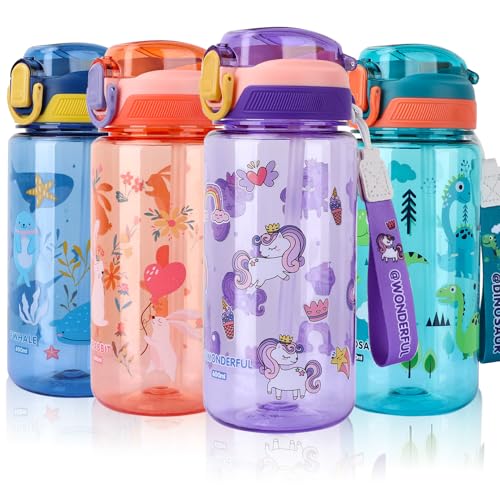
- UZSPACE Kids Water Bottles with 2 Different Lids - 600ml Water Bottles for Kids - Leakproof Tritan Drinks Bottle with Straw - BPA-...
- 1 Litre Motivational Fitness Sport Water Bottles with Straw & Time Maker, Leak-proof, BPA-free Plastic Drink Bottle 1l Design for ...
- SENBSLAN Kids Water Bottles With Straw,600ml Drinks Bottle for School,Leakproof Children\'s Bottle BPA free Tritan Sport Bottle fo...
- SENBSLAN Kids Water Bottles With Straw,600ml Drinks Bottle for School,Leakproof Children\'s Bottle BPA free Tritan Sport Bottle fo...
- Popdigito Collapsible Water Bottles,20.6oz Silicone Foldable Leakproof BPA Free Reusable Lightweight Portable Sport Water Bottles ...
- Convenience: Refill stations are often located near other essential services, making them an easy choice for consumers.
- Cost-effective: Many refill stations offer products at a lower price compared to traditional packaging, encouraging more people to adopt this method.
- Environmental impact: Consumers are increasingly aware of the environmental benefits associated with using refill stations, contributing to their popularity.
Challenges and Solutions for Refill Stations
Despite the benefits, the implementation of refill stations is not without challenges. In 2026, businesses face several hurdles when establishing these stations, including initial setup costs, supply chain logistics, and consumer education. However, innovative solutions are being developed to address these challenges.
One of the primary concerns relates to the cleanliness and safety of refill stations. In response, many companies have adopted stringent hygiene protocols, ensuring that each station is regularly cleaned and maintained. Furthermore, technology plays a vital role in enhancing user experience. Smart refill stations equipped with touchless dispensers and real-time inventory tracking have become increasingly popular, providing consumers with a seamless and safe refilling process.
Collaboration Between Businesses and Communities
Successful implementation of refill stations often requires collaboration between local businesses and communities. In 2026, many cities are witnessing partnerships that enhance the accessibility and visibility of refill stations. For example, local governments may provide incentives for businesses to install refill stations, thereby increasing their presence in the community.
Additionally, educational campaigns are vital in promoting the benefits of using refill stations. Workshops and community events can demystify the refilling process and encourage more residents to participate. Such initiatives not only boost the usage of refill stations but also foster a sense of community around sustainability efforts.
The Future of Refill Stations and Sustainability
Looking ahead, the future of refill stations appears promising. In 2026, advancements in technology and an increased focus on sustainability will likely lead to even more innovative solutions. We can expect to see refill stations expand beyond traditional products, incorporating items such as pet supplies and even cosmetics.
Moreover, as more companies commit to sustainable practices, the integration of refill stations into their business models will become more prevalent. This shift will not only benefit the environment but also enhance brand loyalty among consumers who prioritize eco-friendly options.
- Expansion into new markets: Refill stations will likely find their way into rural and suburban areas, making sustainable options more accessible.
- Innovative product offerings: Companies will develop new products specifically designed for refillability, further reducing waste.
- Increased consumer engagement: Brands will leverage social media and community feedback to enhance the refill experience.
As we move through 2026, the journey towards a sustainable future will undoubtedly be influenced by the growing presence of refill stations. Their role in minimizing waste and promoting responsible consumption is increasingly recognized as an essential strategy in combating environmental challenges. The ongoing evolution of these stations signifies a commitment to sustainability and a willingness to adapt to the changing needs of consumers.
In this landscape, refill stations will continue to play a central role in the sustainability narrative, driving innovation and encouraging collective action. The focus on community collaboration and consumer education will be pivotal as we embrace the future of refilling and the environmental benefits it brings. As refill stations become more integrated into our daily lives, the potential for positive impact on the planet grows exponentially, paving the way for a more sustainable and responsible society.