Refillable vs Single Use Products What to Choose in 2026
As we navigate through 2026, the conversation surrounding sustainability continues to evolve, particularly when it comes to consumer products. The debate between refillable and single use products has gained significant traction, with consumers increasingly considering the environmental impacts of their purchasing choices. In 2026, this discussion is more relevant than ever as brands innovate to create sustainable solutions that meet modern consumer demands. This article will explore the advantages and disadvantages of both refillable and single use products, providing insight into their practicality, environmental impact, and the trends shaping consumer behavior.
Understanding Refillable Products
Refillable products, as the name suggests, are designed to be reused multiple times. They often come with a refill option that allows consumers to purchase just the product itself without needing to buy a new container. In 2026, these products have become increasingly popular among environmentally conscious consumers who prioritize sustainability. The core advantage of refillable products lies in their reduced waste generation.
Environmental Benefits
One of the primary reasons consumers gravitate towards refillable products in 2026 is their positive environmental impact. By reducing the need for new containers, refillable products help decrease plastic waste and promote a circular economy. For instance, many beauty brands now offer refillable options for skincare and makeup products, allowing users to minimize their carbon footprint. In 2026, major retailers have implemented refill stations where consumers can refill their favorite products, further promoting the refillable model.
Cost-Effectiveness Over Time
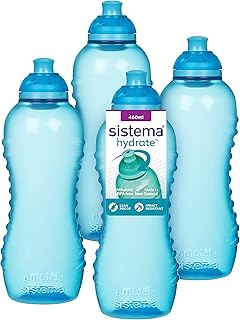
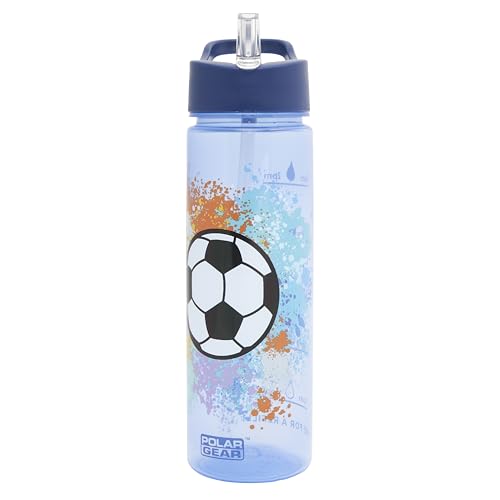
While the initial cost of refillable products may be higher than single use options, they often prove more cost-effective over time. For example, a refillable water bottle can save consumers money on disposable bottles, which can accumulate significant costs throughout the year. In 2026, savvy consumers are increasingly aware of these long-term savings, leading to a shift towards investing in refillable solutions.
People Also Look For:
- HOMEEX 1 Litre Motivational Fitness Sport Water Bottles with Straw & Time Maker, BPA-free Plastic Drink Bottle 1l Design for Girls...
- Sistema Active Sports Water Bottles | 800 ml | Leakproof Kids Water Bottles | Impact-Resistant Tritan Plastic | BPA-Free | Ocean B...
- Set of 6 Glass Water Bottles – 500 ml Reusable Clear Glass Bottles with Leak-Proof Stainless-Steel Lids & Carry Straps â�...
- Gabby\'s Dollhouse KIds Water Bottles With Flip Up Straw 600ml – Official Gabbys Dollhouse Toys UK Merchandise by Polar Gea...
- HYDRATE Glass Water Bottles - Leakproof Reusable - Silicone Sleeve, Wide Mouth, Hot & Cold Drinks Safe - BPA Free - Dishwasher Saf...
Examining Single Use Products
Single use products, which are designed to be used once and discarded, continue to be prevalent in various industries. In 2026, these products often appeal to consumers seeking convenience. However, the environmental implications of single use products have sparked concern and debate.
Convenience Factor
In a fast-paced world, convenience remains a significant factor influencing consumer choices. Single use products, such as disposable cutlery or packaging, offer quick solutions without the need for cleaning or maintenance. In 2026, this convenience is particularly evident in the food industry, with many restaurants opting for single use packaging to streamline service and reduce labor costs. However, this convenience comes at a cost, as the environmental impact can be substantial.
Environmental Concerns
The environmental impact of single use products is a pressing issue in 2026. With plastic pollution reaching alarming levels, many consumers are reconsidering their reliance on single use items. Governments worldwide are implementing regulations to reduce single use plastics, compelling brands to seek alternative solutions. This shift highlights the growing awareness of sustainability issues among consumers and the need for more eco-friendly options.
Comparative Analysis of Refillable and Single Use Products
When evaluating refillable versus single use products in 2026, it is essential to consider several factors, including environmental impact, user experience, and industry trends. The decision often hinges on individual consumer priorities and values.
Consumer Preferences and Trends
In 2026, consumer preferences are increasingly leaning towards sustainable options. Surveys indicate that a significant percentage of consumers are willing to pay more for refillable products due to their environmental benefits. Brands that adopt refillable models often garner loyalty from eco-conscious consumers. For instance, companies introducing refillable household cleaning products have seen a marked increase in customer retention, as consumers appreciate the commitment to sustainability.
Industry Innovations
Innovations in product design and packaging are shaping the landscape of both refillable and single use products. In 2026, we witness advancements such as biodegradable materials and smart packaging that enhance user experience while addressing environmental concerns. Brands are experimenting with new materials that break down more efficiently in landfills, providing an alternative for single use products that still meet consumer convenience needs.
Real World Examples of Refillable and Single Use Solutions
Several brands exemplify the ongoing battle between refillable and single use products in 2026. For instance, leading beverage companies are introducing refillable aluminum cans that consumers can return for a discount on their next purchase. This initiative not only encourages recycling but also promotes brand loyalty. On the other hand, fast food chains continue to rely on single use packaging, citing speed and efficiency in service delivery. However, some are beginning to explore sustainable packaging options, recognizing the shift in consumer sentiment.
- Benefits of refillable products include:
- Reduced waste generation
- Cost savings over time
- Customer loyalty through sustainable practices
- Challenges of single use products include:
- Environmental pollution
- Regulatory pressures
- Consumer backlash against plastic waste
The dynamic between refillable and single use products is not merely a choice of convenience versus sustainability. It reflects broader societal values and the urgent need to address environmental concerns. As we move further into 2026, the trends surrounding these products will undoubtedly continue to evolve, influencing consumer behavior and shaping industry practices.