Eco Friendly Practices for Your Familys Everyday Life
Eco Friendly Practices for Your Family's Everyday Life
In 2026, the importance of eco friendly practices in family life has never been more crucial. With the ongoing challenges of climate change and environmental degradation, families are seeking innovative ways to reduce their carbon footprint while fostering a sustainable lifestyle. This article explores practical strategies that families can incorporate into their daily routines, ensuring a healthier planet for future generations.
Embracing Sustainable Consumption
One of the most effective ways to promote eco friendly practices is through sustainable consumption. This involves making conscious choices about the products and services that families use every day. In 2026, many families are opting for locally sourced groceries, which not only supports local economies but also reduces the carbon emissions associated with transportation. Visiting farmers markets or participating in community-supported agriculture programs can be a rewarding experience.
Additionally, families are increasingly aware of the environmental impact of their household products. Choosing biodegradable cleaning supplies and personal care items is essential. Many brands have emerged in 2026 that specialize in eco friendly products. For example, families can switch to brands that use minimal packaging and natural ingredients, ensuring their choices are both safe for their health and the environment.
Meal Planning and Waste Reduction
Meal planning has become a popular strategy for reducing food waste in 2026. Families are encouraged to plan their meals for the week, which helps in purchasing only what is necessary. This reduces the likelihood of food spoilage and waste. When families cook at home, they can also control portion sizes, further minimizing waste.
Composting is another practice gaining traction among eco conscious families. By composting organic waste like fruit peels and vegetable scraps, families can significantly reduce the amount of waste sent to landfills. In 2026, composting bins are more accessible, and many communities offer composting workshops, making it easier for families to start this beneficial practice.
Energy Efficiency in the Home
In 2026, energy efficiency is a key focus for families looking to reduce their environmental impact. Simple changes, such as switching to LED light bulbs and investing in energy-efficient appliances, can lead to significant savings on energy bills while conserving resources. Families are also encouraged to conduct energy audits of their homes to identify areas for improvement.
Smart home technology has become increasingly popular in 2026, allowing families to monitor and control their energy consumption more effectively. Smart thermostats can learn a family’s schedule, optimizing heating and cooling to reduce energy waste. These technologies not only promote eco friendly practices but also enhance comfort and convenience.
People Also Look For:
- Sistema Square Water Bottle | 1L | Leakproof Kids Water Bottles | Teal Stone | 1 Count
- Sistema Squeeze Twist \'n\' Sip Sports Water Bottles | 460 ml | Leakproof Kids Water Bottles | BPA-Free | Blue | 4 Count
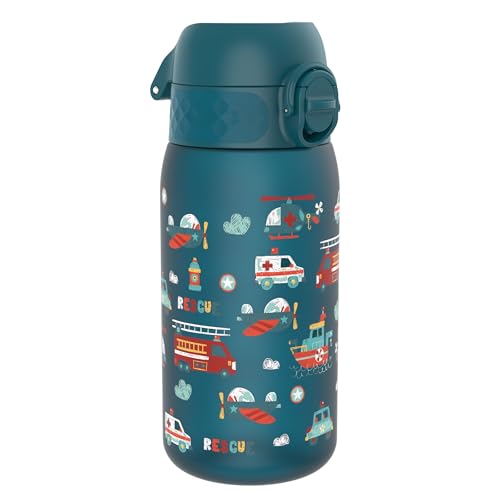
- Ion8 Kids Water Bottles, 350ml/12oz, BPA Free, Leakproof, Dishwasher Safe, Easy Open, Secure Lock, Small Boys & Girls Water Bottle...
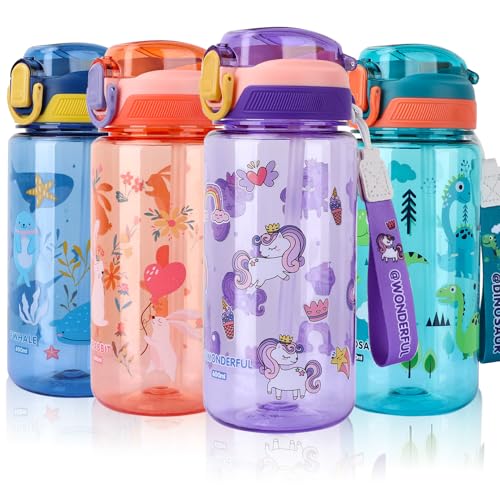
- Polar Gear 600ml Kids Water Bottles with Straw and A-Z Sticker Sheet | Personalised Water Bottle Kids Can Decorate | Customisable ...
- Sistema Squeeze Twist \'n\' Sip Sports Water Bottles | 460 ml | Leakproof Kids Water Bottles | BPA-Free | Blue | 4 Count
Water Conservation Techniques
Water conservation has become a vital practice for families in 2026. With growing concerns over water scarcity, families are adopting various techniques to reduce their water usage. Installing low-flow fixtures in bathrooms and kitchens can significantly diminish water consumption without sacrificing performance. Additionally, families are encouraged to collect rainwater for irrigation purposes, providing an eco friendly alternative to tap water.
Educating children about the importance of water conservation is also essential. Families can engage children in fun activities, such as creating a water usage chart, to track how much water they save. This not only fosters awareness but also encourages children to take an active role in protecting the environment.
Transportation Choices that Reduce Emissions
Transportation is a significant contributor to greenhouse gas emissions, making it a critical area for families to address in their eco friendly practices. In 2026, many families are opting for public transportation, cycling, or walking whenever possible. This shift not only reduces emissions but also promotes healthier lifestyles.
Carpooling has seen a resurgence in popularity as families look for ways to reduce their carbon footprints. By sharing rides with neighbors or friends, families can cut down on fuel consumption and costs. In 2026, carpooling apps are available, making it easier to coordinate schedules and share rides efficiently.
Choosing Electric and Hybrid Vehicles
As technology advances, electric and hybrid vehicles have become more accessible for families in 2026. These vehicles offer significant environmental benefits, including lower emissions and reduced reliance on fossil fuels. Families considering a new vehicle are encouraged to explore electric options, which often come with tax incentives and lower operating costs.
Charging infrastructure has improved, with many neighborhoods now equipped with public charging stations. This development makes owning an electric vehicle more practical for families, facilitating long-distance travel without the worry of finding charging locations.
Community Engagement and Education
Community engagement plays a crucial role in promoting eco friendly practices for families. In 2026, many neighborhoods host eco fairs and workshops where families can learn about sustainable practices and connect with like-minded individuals. These events foster a sense of community while providing valuable resources and knowledge.
Families are encouraged to participate in local clean-up efforts, tree planting initiatives, and other community projects aimed at improving the environment. By getting involved, families not only contribute to their local ecosystems but also instill values of stewardship and responsibility in their children.
Creating a Sustainable Family Culture
Creating a culture of sustainability within the family is essential for lasting change. In 2026, families are finding innovative ways to incorporate eco friendly practices into their daily lives. This could include family challenges to reduce waste or monthly discussions about environmental impacts. Making sustainability a shared family goal encourages collective responsibility.
Engaging children in eco friendly practices creates lifelong habits. Families who prioritize sustainable living together are more likely to pass these values onto future generations. Activities such as gardening, recycling, and even participating in local environmental advocacy can all contribute to a strong family culture centered around sustainability. As families in 2026 strive to make a difference, these practices become an integral part of their identity.
Innovative Eco Friendly Products for Daily Use
The market for eco friendly products has exploded in recent years. In 2026, families can find a plethora of innovative items designed to replace single-use plastics and other harmful materials. For instance, reusable beeswax wraps have become a popular alternative to plastic wrap, helping families reduce their plastic waste while preserving food freshness.
Additionally, sustainable fashion is on the rise. Many families are now choosing clothing brands that emphasize ethical production and use environmentally friendly materials. Thrift shopping has also gained popularity as a way to reduce waste and find unique fashion pieces, promoting a circular economy.
- Reusable shopping bags
- Compostable utensils
- Biodegradable phone cases
- Eco-friendly dishware
By incorporating these products into their everyday lives, families can make meaningful contributions toward a sustainable future. The choices made today will influence the health of the planet for generations to come. As families continue to explore new options and innovations, the journey toward sustainability becomes a shared adventure.